
A Movement, Not Just a Moment


At The Passport Foundation, we prioritize depth to accelerate breadth and seek out opportunities where others hesitate to go. Since 2009, we have dedicated our efforts to tackling toxic pollution that harms people and the planet—one of the most urgent, complex, and overlooked crises of our time. By focusing our investments, partnerships, and strategies in this space, we’ve driven solutions for policy, industry, and public awareness that results in improved health.
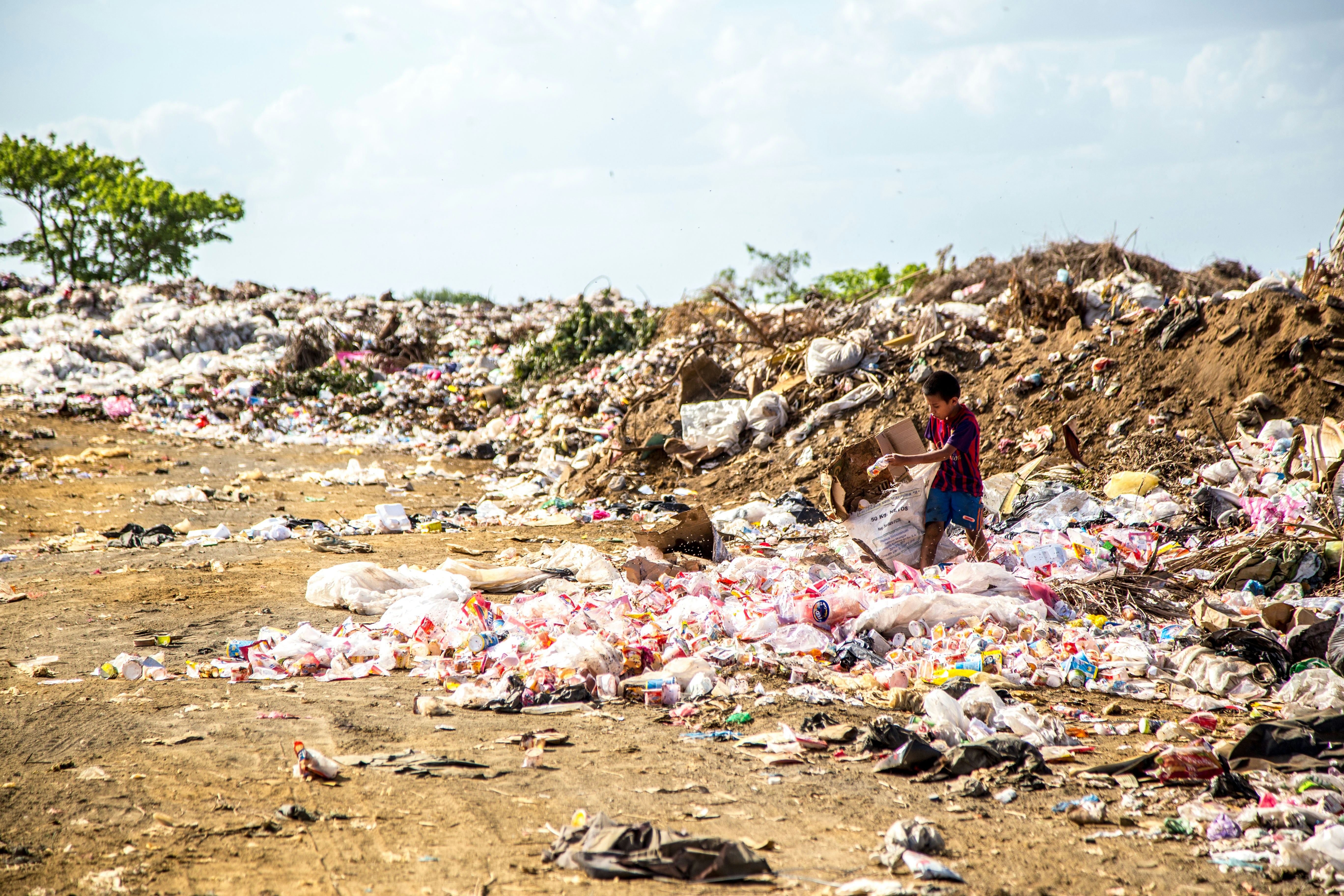
 

The truth is, toxic pollution isn’t just bad—it’s catastrophic.

More than 350,000 chemicals flood our environment, most never tested for safety. They're in our air, water, food, and bodies. PFAS (‘forever chemicals’) are found in human blood, breast milk, and even the placenta. The consequences are severe: cancer, infertility, hormone disruption, neurological disorders, and billions of dollars in preventable healthcare costs.

And the problem runs even deeper. Plastics aren’t just polluting our oceans; they’re poisoning our bodies. From the moment they’re produced to the day they break down into microplastics in our water and food, the evidence is clear that plastics act as toxic sponges—absorbing, transporting, and releasing hazardous chemicals. The evidence is clear that they leach endocrine disruptors, heavy metals, and carcinogens, contributing to diseases ranging from cancer to neurological disorders.

The Numbers Speak for Themselves

Plastics production is projected to triple by 2050, driving even more toxic exposure—unless we act now.

90% of people 

90% of people worldwide have PFAS in their blood.

$340 billion annually

$340 billion annually: Cost of chemical exposure in the U.S.

50x increase in chemical production

Chemical production has increased fiftyfold since the 1950s.

For decades, industry has controlled the narrative—downplaying risks, delaying regulation, and shifting responsibility to consumers. We’re here to flip the script.

Since 2009, The Passport Foundation has invested more than $25 million into the toxics movement, awarding over 1,000 grants that deliver measurable impact. To date, we’ve helped phase out toxic chemicals from 30+ major corporations, supported the passage of stronger chemical regulations, invested in innovative approaches, and backed thousands of evidence-based, scientific publications driving policy reform.  See Our Impact

A Vision for What’s Possible

Imagine a world where the default is safe and healthy—a world built for the people we love. Where a child is born into a home with clean air, safe products, and water that won’t harm them. Where an adult goes to work without worrying about invisible exposures to harmful chemicals. Where an older person receives care in a hospital free from toxic substances in its equipment, food, and furnishings.

In this future, we’ve moved away from extractive, wasteful systems. Sectors like building materials, consumer products, pharmaceuticals, firefighting equipment, automobiles, pesticides, food packaging, food additives, apparel, and beauty products have shifted away from toxic inputs and toward safer, more thoughtful design. Regulation no longer waits for harm to prove risk—it prioritizes prevention, moving from a risk-based to a safety-first framework. Supply chains are circular and efficient—designed to meet demand without leaving behind toxicity, plastic pollution, or depleted soil. Safety is built in from the start. Companies innovate with intention—compelled by consumer demand, smart regulation, and the recognition that safer, healthier systems make economic sense.

Innovation thrives. Safer materials science and sustainable design form the backbone of how we create and distribute goods. Data is transparent and shared. International markets respond to common expectations. Investors push for healthier solutions because the business case is clear: protecting human health protects long-term value.

This isn’t a hypothetical future. It’s within reach—rooted in science, backed by evidence, and already underway.

So what will it take? The tools are in place. What’s needed now is alignment and follow-through. Governments can enforce protections with integrity. Companies can lead with data, not delay. Investors can back safer materials and more resilient systems. And across sectors—science, industry, advocacy, and policy—there is an opportunity to find common ground.

Each of these areas offers real potential for progress—opportunities to eliminate harmful chemicals, redesign systems, and replace outdated practices with smarter, safer approaches.

The path forward is here. It’s time to move.
 

Contact Us

For funding, partnerships, or press inquiries, contact us at: info@passportfoundation.org